

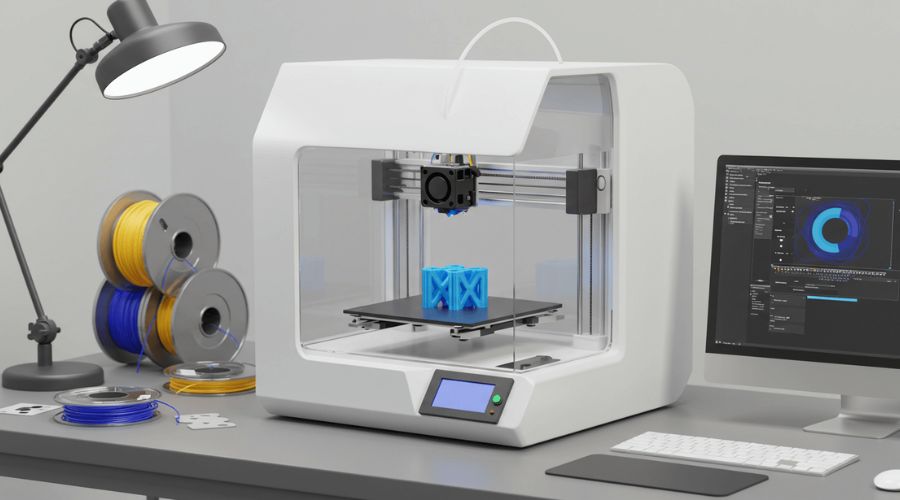
Buying your first 3D printer is exciting.
It’s also surprisingly easy to buy the wrong one.
Many first-time buyers focus on specifications they don’t fully understand—print speed, layer resolution, build volume—while overlooking the features that actually matter when you’re learning. The result? A machine that spends more time frustrating you than helping you create.
Fortunately, beginner-friendly 3D printers have come a long way. Today’s models offer automatic leveling, intuitive touchscreens, reliable print quality, and setup processes that are dramatically easier than they were just a few years ago.
Whether you’re interested in printing tabletop miniatures, cosplay props, engineering prototypes, household organizers, or simply want to explore a new hobby, choosing the right machine can make all the difference.
To help narrow down your options, we’ve looked at some of the most beginner-friendly products from ELEGOO, including both FDM and resin printers, plus the accessories you’ll actually need to get started.
What Most Beginners Get Wrong When Buying Their First 3D Printer
One of the biggest misconceptions is that the most expensive printer is automatically the best choice.
In reality, your first printer should help you learn the fundamentals without overwhelming you with complexity.
A good entry-level 3D printer should offer:
- Reliable print quality
- Easy setup
- Minimal maintenance
- Strong community support
- Affordable materials
- Room to grow as your skills improve
For most beginners, simplicity and reliability are far more valuable than advanced features they’ll rarely use.
Our Top Recommendations at a Glance
| Product | Best For | Technology |
| Neptune Series | General-purpose printing | FDM |
| Mars Series | Miniatures and highly detailed models | Resin |
| Saturn Series | Larger and more advanced projects | Resin |
| Mercury Wash & Cure Stations | Resin post-processing | Accessory |
| Beginner Filament Bundles | First FDM prints | Material |
Neptune Series: The Printer Most Beginners Should Start With
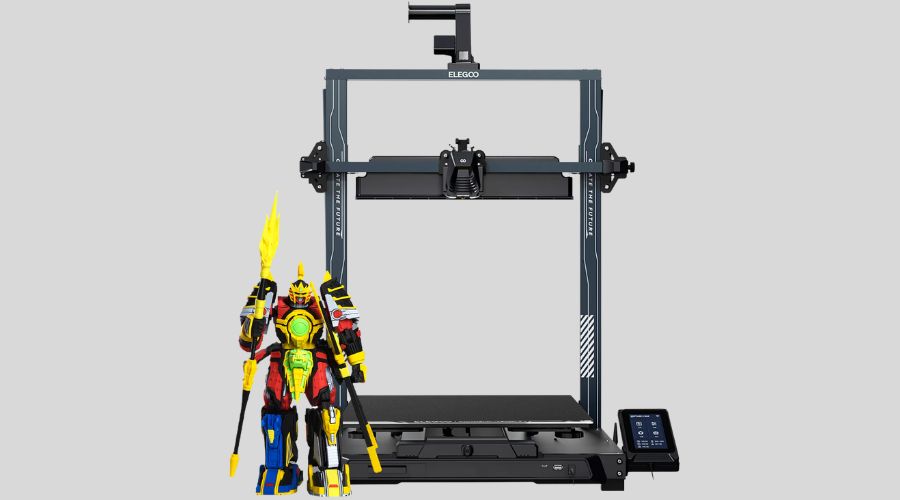
If someone asked for a single recommendation without giving any additional details, the Neptune Series would probably be my answer.
These machines have become incredibly popular because they remove many of the traditional barriers to entry.
Instead of spending hours trying to level the bed manually or troubleshoot inconsistent prints, beginners can focus on learning design, slicing, and creating real projects.
The Neptune lineup offers an excellent balance between affordability and performance, making it one of the strongest choices for anyone searching for the best 3D printer for beginners.
Why It Works So Well for New Users
Automatic bed leveling reduces one of the most common beginner frustrations.
The user interface is straightforward enough that most people can begin printing within a few hours of setup.
Modern Neptune models also deliver surprisingly fast print speeds, which means less waiting and more experimenting.
Projects You’ll Enjoy Printing
- Desk organizers
- Phone stands
- Storage containers
- Replacement household parts
- Cosplay accessories
- School projects
Potential Drawbacks
Like all FDM printers, the Neptune Series won’t achieve the microscopic detail levels possible with resin printing.
However, for everyday projects and learning the hobby, it’s hard to find a better starting point.
Mars Series: For Beginners Who Care About Detail
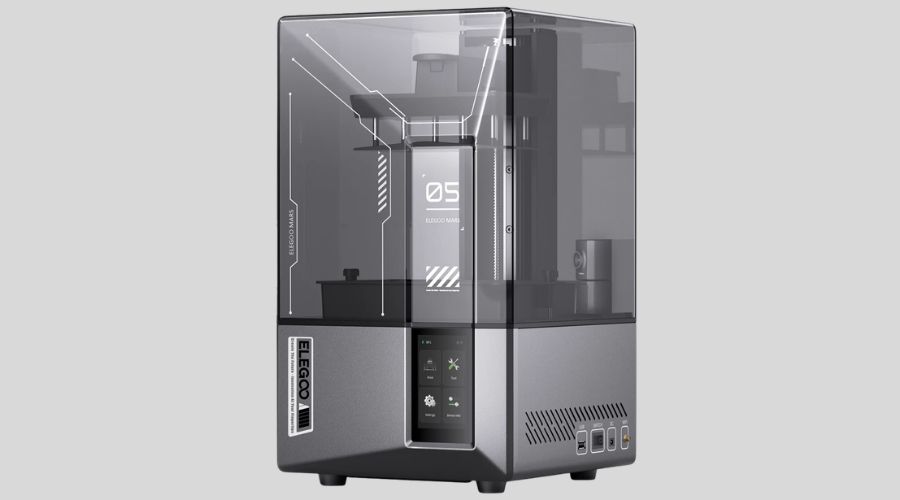
Not everyone wants to print practical household objects.
Some people want stunning miniatures.
If your goal is creating tabletop gaming figures, display models, character busts, or detailed prototypes, the Mars Series deserves serious consideration.
The level of detail resin printers can produce is genuinely impressive.
Tiny facial features, intricate textures, and fine surface details that would challenge many FDM printers come out beautifully on a Mars printer.
Why Beginners Love the Mars Series
The latest Mars models are significantly easier to use than earlier generations of resin printers.
Features such as improved interfaces and streamlined workflows help newcomers achieve impressive results much faster.
Best For
- Tabletop gaming
- Miniatures
- Character models
- Collectibles
- Jewelry concepts
- Detailed artistic projects
Things to Consider
Resin printing requires more cleanup than filament printing.
That’s why many Mars owners eventually purchase a wash and cure station, which we’ll discuss shortly.
Saturn Series: A Smart Upgrade for Ambitious Beginners
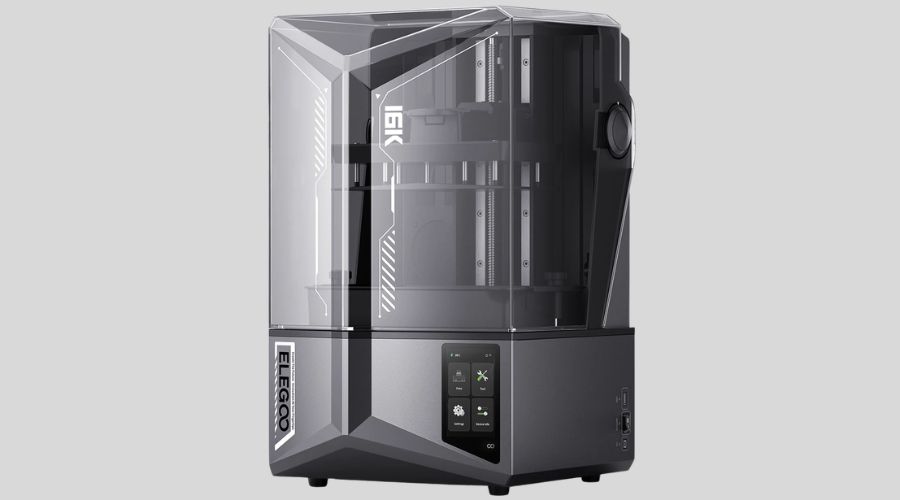
One of the most common experiences in 3D printing is outgrowing your first machine.
Many users start small and quickly realize they want to print larger objects or produce more models at once.
That’s where the Saturn Series becomes attractive.
Think of it as the printer for people who already know they’re going to take the hobby seriously.
What Makes Saturn Different?
The larger build volume gives you far more flexibility.
You can print:
- Bigger models
- Larger cosplay pieces
- Multiple miniatures simultaneously
- Small production runs
The print quality remains excellent, but the additional capacity opens up far more creative possibilities.
Who Should Buy It?
If you’re already confident you’ll be printing regularly, a Saturn printer may save you from upgrading later.
The Accessory Most Resin Beginners Wish They Bought Sooner
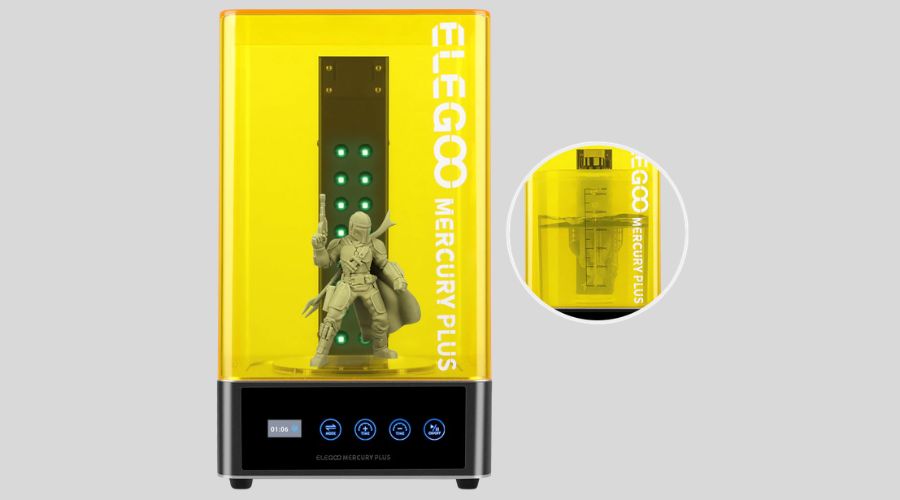
Ask experienced resin users what they would change about their first setup, and many will mention post-processing.
Cleaning and curing resin prints manually can be messy, time-consuming, and inconsistent.
Mercury Wash & Cure Stations solve this problem.
Why They’re Worth It
Instead of juggling containers, UV lamps, and cleaning supplies, everything happens in a controlled workflow.
Benefits include:
- Cleaner prints
- Faster processing
- Better durability
- Less mess
- More consistent results
For anyone buying a Mars or Saturn printer, this is arguably the most valuable accessory available.
Don’t Underestimate the Importance of Materials
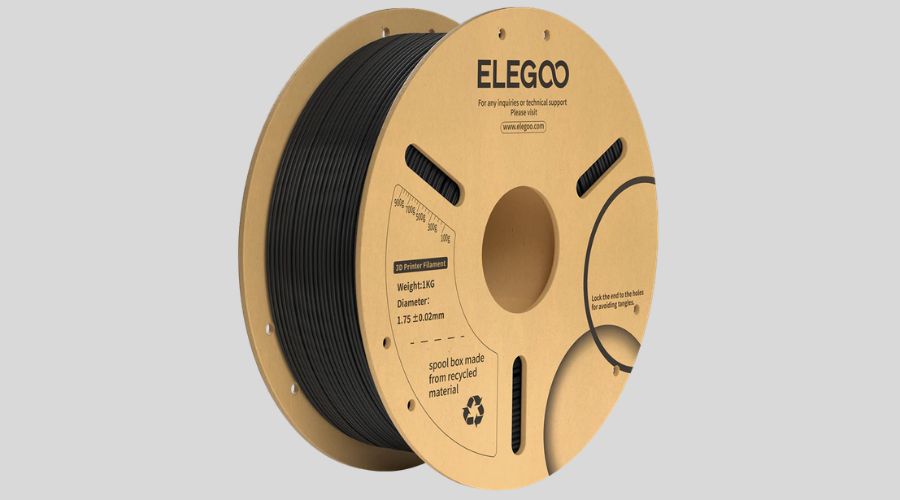
A great printer paired with poor materials often produces disappointing results.
For beginners using FDM printers, PLA remains the easiest and most forgiving option.
Why PLA Is Ideal for Learning
PLA is:
- Easy to print
- Affordable
- Widely available
- Less prone to warping
- Suitable for most beginner projects
Many new users are surprised by how much print quality depends on material selection.
Starting with quality filament removes one more variable from the learning process.
FDM vs Resin: Which Technology Should You Choose?
This is probably the most common beginner question.
Choose an FDM Printer If You Want:
- Larger prints
- Functional objects
- Lower operating costs
- Easier maintenance
- General-purpose projects
Recommended:
Neptune Series
Choose a Resin Printer If You Want:
- Miniatures
- Display models
- High-detail prints
- Professional-looking figurines
- Precision prototypes
Recommended:
Mars Series
Neither option is inherently better.
They’re simply designed for different types of creators.
If I Were Starting 3D Printing Today
For most people, I would start with:
- Neptune Series printer
- PLA filament bundle
- Basic maintenance tools
This setup offers the easiest learning experience while supporting the widest range of projects.
However, if my primary goal were tabletop gaming miniatures or highly detailed figures, I’d choose:
- Mars Series printer
- Mercury Wash & Cure Station
- Standard resin starter kit
That combination delivers outstanding detail while simplifying the resin workflow.
So, Which Beginner Printer Should You Choose?
If you’re looking for the safest recommendation, the Neptune Series is the easiest place to start.
It’s reliable, beginner-friendly, and versatile enough to keep you engaged long after your first successful print.
If detail is your priority, the Mars Series provides some of the best value available in resin printing.
And if you’re already planning larger projects or small-scale production, the Saturn Series offers room to grow without needing another upgrade in six months.
The good news is that modern beginner printers are better than they’ve ever been.
The best choice isn’t necessarily the most expensive one—it’s the printer that matches the type of projects you’re most excited to create.