

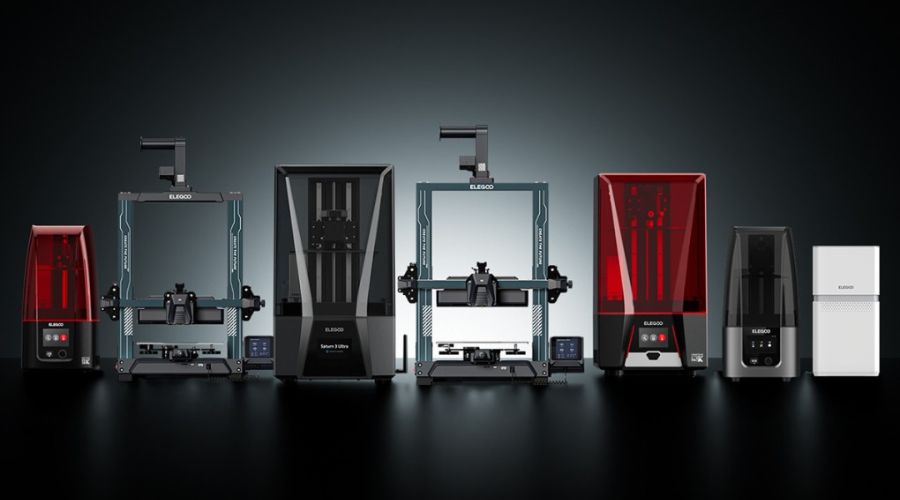
Every successful product starts with a prototype.
Whether you’re developing a consumer gadget, testing a mechanical component, refining an industrial design, or launching a startup, the ability to quickly transform ideas into physical models can dramatically shorten development cycles and reduce costs.
Not long ago, creating prototypes required outsourcing to specialized manufacturers, waiting weeks for production, and spending hundreds—or even thousands—of dollars on every design iteration.
Today, that process can happen overnight.
Modern 3D printers for prototyping allow engineers, designers, entrepreneurs, and product developers to test concepts, validate designs, and improve products directly from their workspace.
The challenge is choosing the right printer.
Some machines excel at functional engineering parts. Others are designed for highly detailed prototypes, while some offer the speed and reliability needed for repeated product iterations.
In this guide, we’ll explore the best engineering-focused printers from ELEGOO and help you determine which solution fits your workflow.
Why 3D Printing Has Become Essential for Product Development
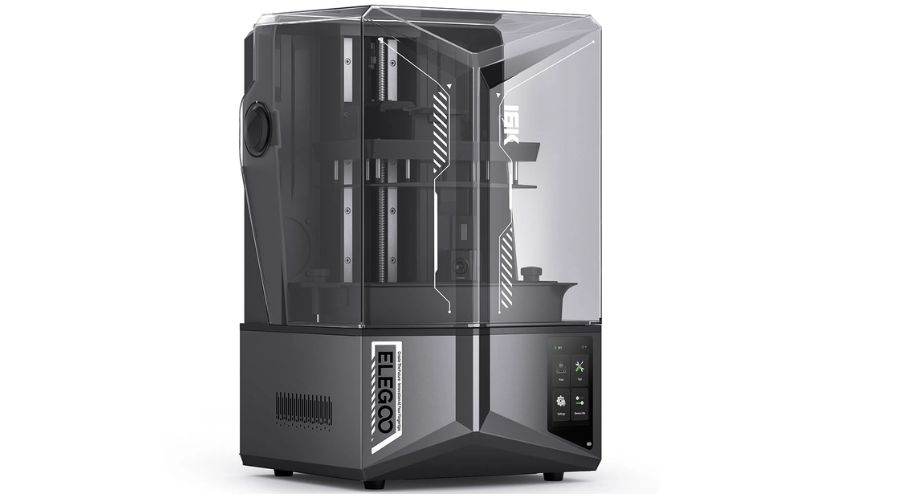
The biggest advantage of 3D printing isn’t just manufacturing.
It’s speed.
Instead of waiting days or weeks for prototype revisions, teams can design, print, test, modify, and reprint within a single day.
This rapid iteration process allows businesses to:
- Validate ideas faster
- Reduce development costs
- Improve product quality
- Identify design flaws early
- Accelerate time-to-market
- Test multiple concepts simultaneously
For startups and engineering teams alike, modern product development 3D printing has become a competitive advantage rather than a luxury.
What Engineers Should Look for in a Prototyping Printer
Unlike hobbyist-focused machines, engineering workflows demand more than just attractive prints.
The ideal prototyping printer should provide:
- Dimensional accuracy
- Consistent repeatability
- Reliable operation
- Material flexibility
- Large build capacity
- Fast iteration speeds
- Strong surface quality
Depending on your application, you may prioritize strength, detail, speed, or production volume.
That’s why choosing the right printer matters.
Our Top Picks at a Glance
| Printer | Best For | Technology |
| Centauri Carbon | Engineering-grade functional parts | FDM |
| Neptune 4 Pro | Affordable rapid prototyping | FDM |
| Saturn 4 Ultra | High-detail product prototypes | Resin |
| Jupiter 2 | Large-format prototyping | Resin |
| Technical Materials | Functional testing and validation | Materials |
Centauri Carbon: The Best Engineering Printer for Functional Prototypes
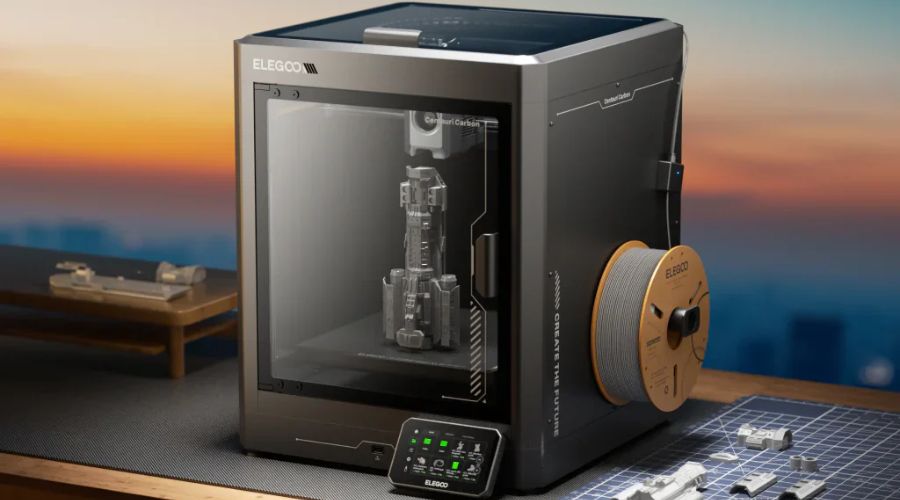
If your primary goal is creating strong, accurate, and functional prototypes, the Centauri Carbon is arguably the most compelling option in ELEGOO’s current lineup.
Unlike entry-level printers designed primarily for hobbyists, this machine is built with performance-oriented applications in mind.
Why Engineers Love It
The Centauri Carbon supports advanced materials while delivering the speed and reliability necessary for iterative development.
This makes it particularly useful for:
- Mechanical components
- Functional assemblies
- Product housings
- Engineering validation
- Manufacturing fixtures
- Custom tooling
Where It Excels
Many engineering teams need more than visual models.
They need parts that can withstand testing, assembly, and real-world use.
The Centauri Carbon is designed for exactly that purpose.
Best For
- Product designers
- Hardware startups
- Engineering teams
- Manufacturing professionals
- Industrial designers
Potential Limitation
If your primary focus is highly detailed cosmetic prototypes rather than functional parts, a resin printer may provide better surface quality.
Neptune 4 Pro: The Smart Choice for Fast Iteration
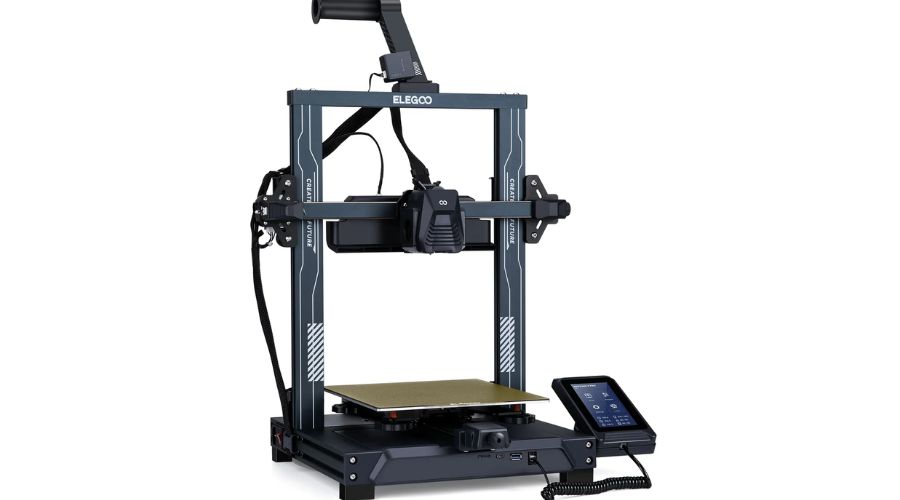
Not every prototype requires advanced engineering materials.
Sometimes speed matters more.
That’s where the Neptune 4 Pro shines.
For many startups and development teams, this printer offers one of the best balances between affordability, speed, and usability.
Why It’s Popular for Product Development
Fast iteration is one of the biggest drivers of successful product design.
The Neptune 4 Pro allows teams to quickly print:
- Concept models
- Ergonomic studies
- Fit checks
- Design mockups
- Product enclosures
Instead of spending time optimizing every print, engineers can focus on refining ideas.
What I Like
- Fast print speeds
- Reliable operation
- Cost-effective workflow
- Excellent value
Best For
Early-stage prototyping and frequent design iterations.
Saturn 4 Ultra: Exceptional Detail for Design Validation
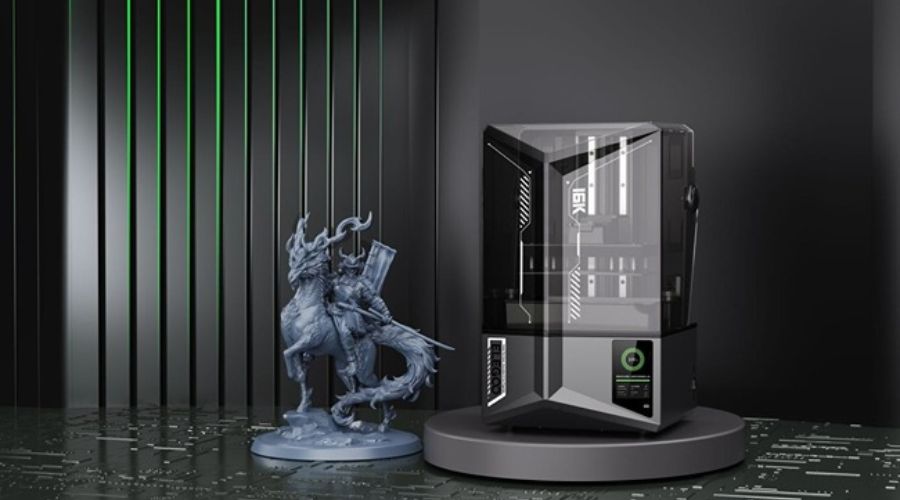
Not every prototype is mechanical.
Some products require presentation-quality finishes and intricate details.
This is where the Saturn 4 Ultra becomes incredibly valuable.
The level of surface quality achievable with modern resin technology allows designers to create prototypes that look remarkably close to final production parts.
Why Product Designers Choose Resin
Resin printers produce:
- Sharper details
- Smoother surfaces
- Better cosmetic finishes
- Cleaner visual presentations
For stakeholder reviews, client presentations, and product demonstrations, appearance often matters as much as functionality.
Best For
- Consumer products
- Product showcases
- Industrial design validation
- Cosmetic prototypes
- Detailed product models
When It Makes Sense
If visual accuracy is your top priority, the Saturn 4 Ultra may be the strongest option in this guide.
Jupiter 2: Built for Large-Scale Product Development
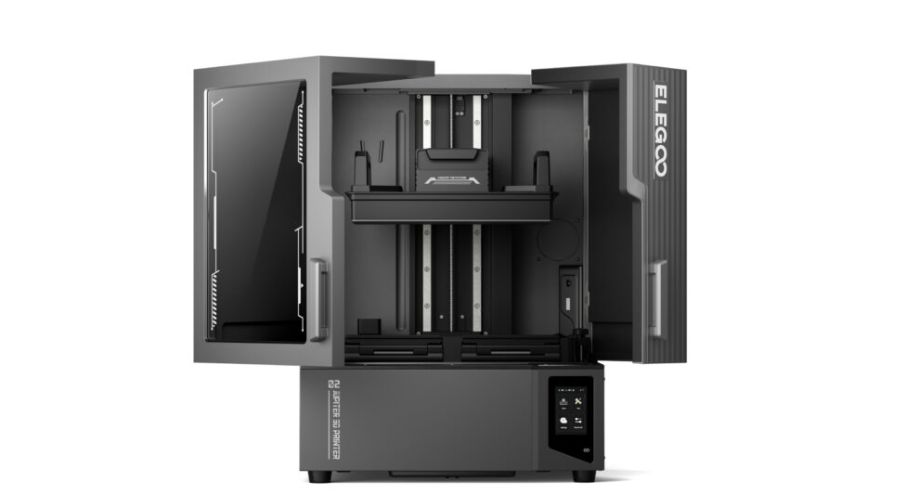
Some prototypes simply don’t fit on conventional printers.
Large housings, oversized components, and full-scale models require significantly more build volume.
The Jupiter 2 addresses this challenge.
Why Large Format Printing Matters
Printing large parts in one piece offers several advantages:
- Improved structural integrity
- Reduced assembly requirements
- Better dimensional consistency
- Faster validation
For engineering teams working on larger products, this can save substantial development time.
Best For
- Industrial equipment
- Automotive components
- Robotics projects
- Architectural prototypes
- Large consumer products
Who Should Consider It?
Organizations that frequently create large-scale prototypes or require production-level throughput.
Don’t Overlook Materials: The Hidden Factor in Successful Prototyping
One of the biggest mistakes new users make is focusing entirely on printers while ignoring materials.
In reality, materials often determine whether a prototype succeeds or fails.
Product Collection:
PLA
Ideal for concept validation and early-stage prototypes.
PETG
Excellent balance between durability and ease of printing.
ABS-Like Resin
Suitable for stronger functional resin parts.
Engineering Resins
Designed for improved strength and performance.
Carbon Fiber Reinforced Materials
Useful for applications requiring enhanced rigidity.
Choosing the right material often has a greater impact on prototype performance than upgrading the printer itself.
FDM vs Resin for Engineering Applications
This is one of the most common questions engineers ask.
Choose FDM If You Need:
- Functional parts
- Mechanical testing
- Larger components
- Stronger materials
- Lower operating costs
Recommended:
Centauri Carbon
Neptune 4 Pro
Choose Resin If You Need:
- Fine detail
- Presentation models
- Cosmetic validation
- High precision
- Smooth surfaces
Recommended:
Saturn 4 Ultra
Jupiter 2
Many product teams ultimately use both technologies because they solve different problems.
If I Were Building a Product Development Workflow Today
For a startup or engineering team, I would choose:
Functional Prototyping Setup
- Centauri Carbon
- PETG Materials
- Carbon Fiber Materials
High-Detail Product Design Setup
- Saturn 4 Ultra
- Engineering Resin
- Wash & Cure System
Complete Product Development Lab
- Centauri Carbon
- Saturn 4 Ultra
- Technical Materials Portfolio
This combination covers virtually every stage of product development, from concept validation to presentation-ready prototypes.
So, Which Prototyping Printer Should You Choose?
If your priority is creating durable engineering parts, the Centauri Carbon is the standout recommendation.
If you need a fast and affordable printer for rapid iteration, the Neptune 4 Pro remains one of the best values available.
For cosmetic prototypes and presentation-quality models, the Saturn 4 Ultra delivers outstanding detail and finish quality.
And for large-format development work, the Jupiter 2 provides capabilities that smaller printers simply can’t match.
The best engineering 3D printers aren’t necessarily the most expensive—they’re the ones that fit your workflow, materials, and product development goals.
Choose the machine that aligns with the type of prototypes you create most often, and you’ll dramatically accelerate your design process.