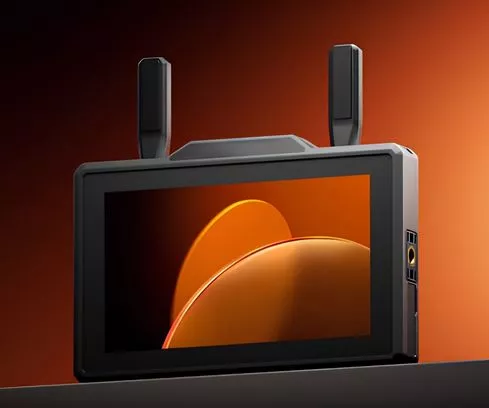
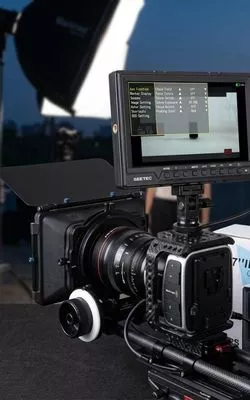
A wireless director’s monitor lets directors review framing from a more useful position, reducing crowding around the operator during complex setups and fast-moving scenes alike.
Wireless viewing can keep a live camera feed accessible as the camera travels, helping crews maintain visibility without repeatedly repositioning around the rig during takes.
A separate display gives focus pullers a clearer working view, particularly when camera placement or movement makes direct access to the screen inconvenient on set.
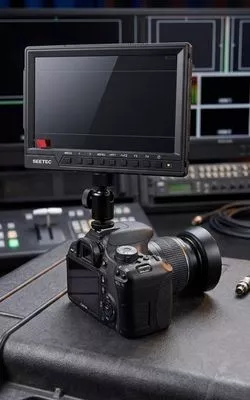
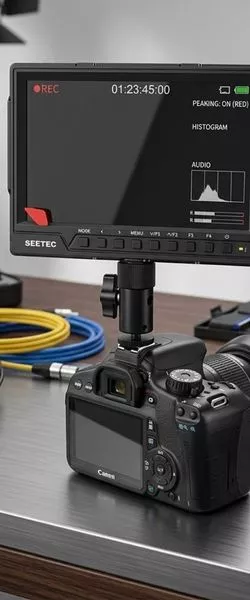
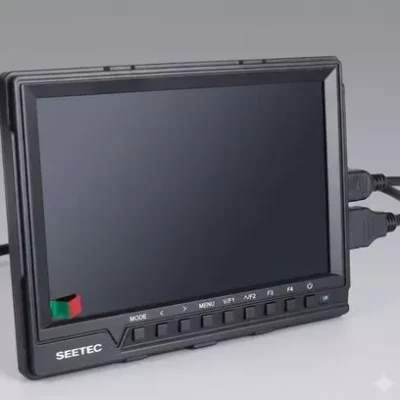
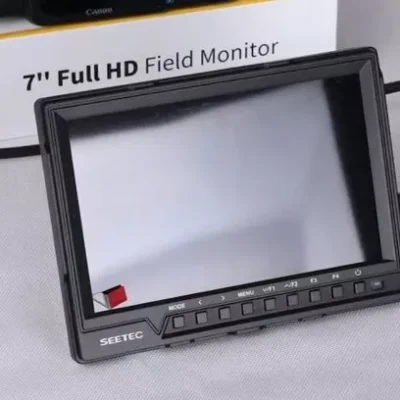
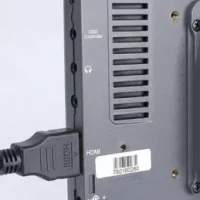
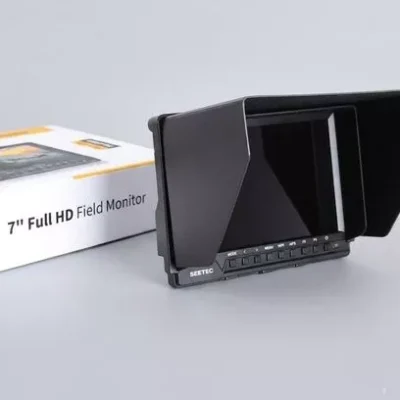
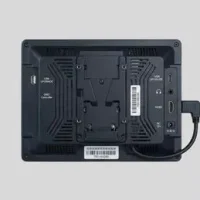
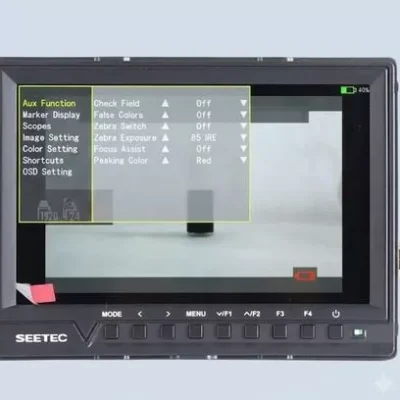
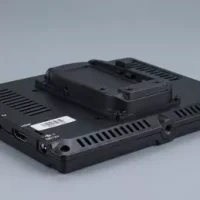
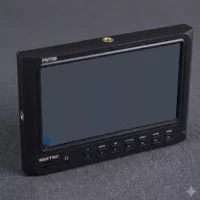
The K7 pairs a 7-inch IPS panel with 1920×1200 resolution, 450cd/m² brightness, 800:1 contrast, and 10ms response. HDMI and AV connectivity support direct camera feeds. For crews comparing wireless camera monitors, this model is better understood as a conventional field display that could complement wireless transmission hardware on production setups.
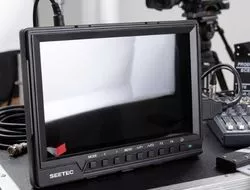
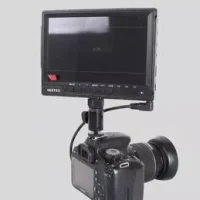
This SEETEC K7 keeps the same 7-inch IPS format, 1920×1200 resolution, 450cd/m² brightness, 800:1 contrast, and 10ms response. HDMI and AV interfaces suit camera connections. It can work as a camera monitor for focus pulling when positioned near the operator, while separate transmission equipment remains necessary for remote viewing applications.
Listed as an HDMI field monitor, this K7 offers a 7-inch IPS display, 1920×1200 resolution, 450cd/m² brightness, 800:1 contrast, and 10ms response. Its HDMI and AV connections suit monitoring. As a wireless video monitor for filmmaking alternative, it requires an external wireless link because the listing does not specify wireless transmission.
The K7 listing markets this model for 4K use, but its published specifications state a 1920×1200 display, 450cd/m² brightness, 800:1 contrast, and 10ms response. That distinction matters when evaluating wireless camera monitors, since display resolution and transmission capabilities are separate considerations. HDMI and AV connectivity support conventional field monitoring workflows.
Designed for gimbal stabilizer use, this 7-inch K7 features an IPS panel, 1920×1200 resolution, 450cd/m² brightness, 800:1 contrast, and 10ms response. Its compact field-monitor positioning suits camera work. It can serve as a wired on-set wireless monitor companion only when paired with a separate wireless transmission system for remote viewing.
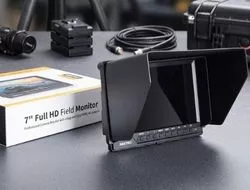
The SEETEC 709 (7D) offers a 7-inch IPS display, 600cd/m² brightness, 800:1 contrast, 10ms response, HDMI, video, YPbPr and audio inputs, plus multiple outputs. Four-sided 1/4-inch-20 mounting sockets add rigging flexibility. For crews comparing wireless camera monitors, it is a versatile wired display rather than a complete wireless production monitor.