Choosing the best live streaming cameras means balancing resolution, framing, connectivity, audio, and workflow simplicity for each content format before going live.
A podcast streaming camera benefits from consistent composition, while presentations may need wider coverage, autofocus, or remote control for changing speakers.
A webcam for professional webinars should also consider microphone pickup, field of view, connectivity, and ease of integration with common streaming software.
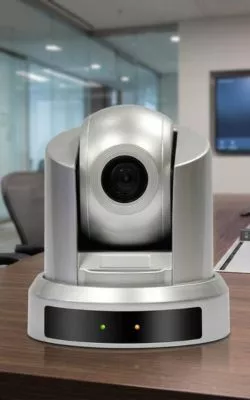
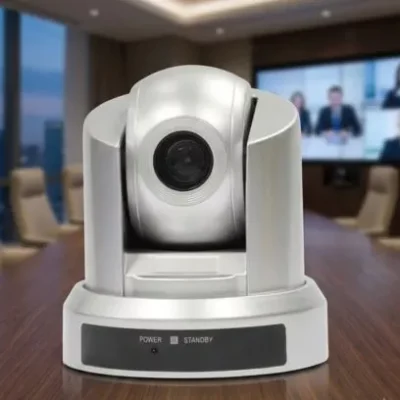
The KATO/OEM KT-HD30DU combines 1080p video with 10X optical zoom, giving presenters flexible framing from fixed positions. Its CMOS sensor, USB 2.0 connectivity, autofocus and manual focus options, VISCA and PELCO control, plus extensive pan and tilt movement make it suitable for conference-style setups requiring repeatable positioning and remote camera control.
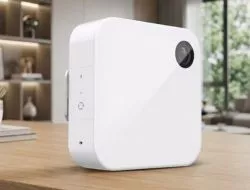
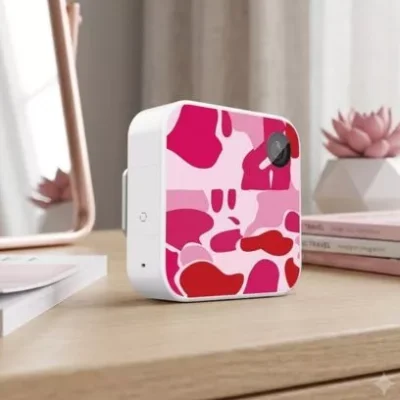
The Qlippie Q1 takes a different approach with a compact, wearable design for mobile content. Its 8MP Sony CMOS sensor, 122-degree lens, Wi-Fi control, built-in microphone and speaker, plus 32GB memory support portable recording. Full HD capture at up to 60fps can work well for demonstrations, behind-the-scenes coverage, and hands-free creator workflows.
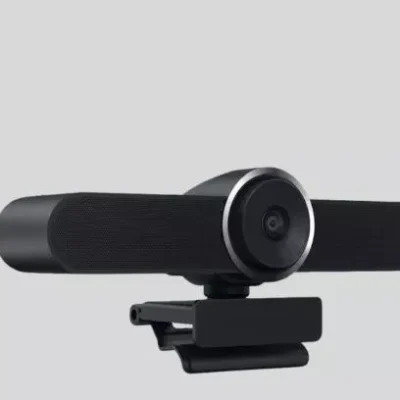
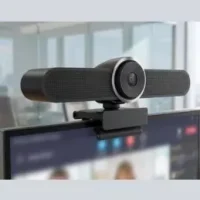
The Hotrain FXAO200 combines 1080p video at 30fps with a 124-degree field of view for conferencing and streaming applications. Its CMOS sensor, dual omnidirectional microphones, echo cancellation, noise reduction, light correction, and driver-free USB connection make it practical for presenters who need straightforward setup and broad framing in smaller rooms.
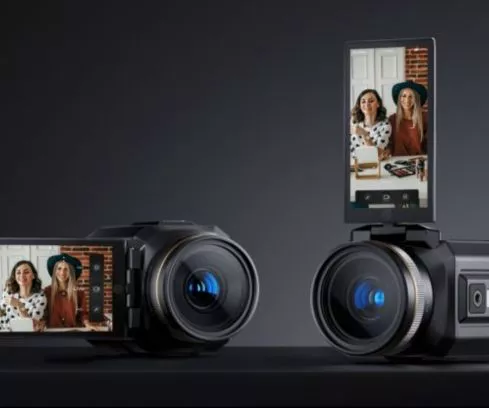
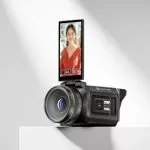
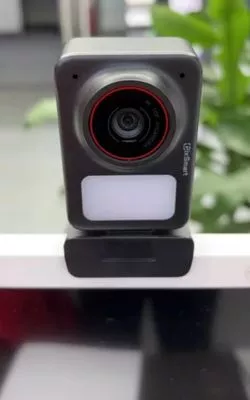
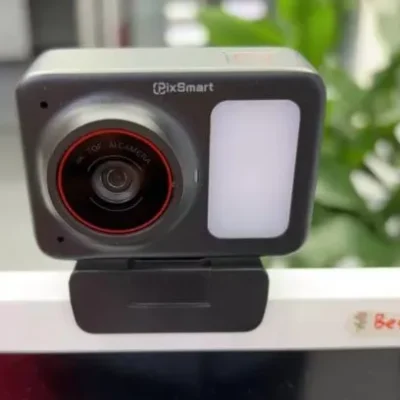
The PixSmart G11 provides 4K capture at 3840×2160 while supporting portrait and landscape framing for different content formats. It can reach 60fps at 1080p and features dual omnidirectional microphones with noise reduction. Its compact USB-C design and lightweight 52-gram construction make it convenient for creators moving between webinars, vertical content, and demonstrations.
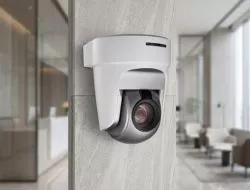
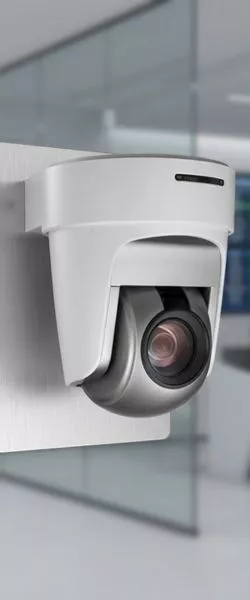
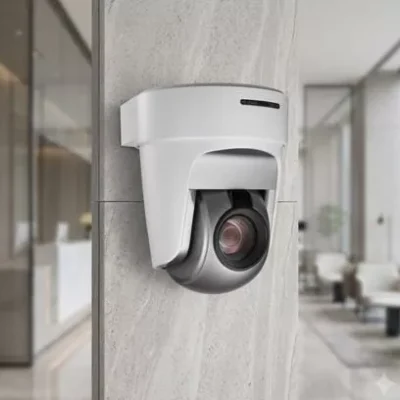
The Linovision LiveTracker 2 combines 1080p video, automatic tracking, and 20X optical zoom for more controlled production environments. SDI, HDMI, RTSP, and RTMP outputs provide integration flexibility, while PoE+, audio I/O, Ethernet, and extensive PTZ movement support larger webinar studios and productions where remotely managed framing can reduce manual camera adjustments.
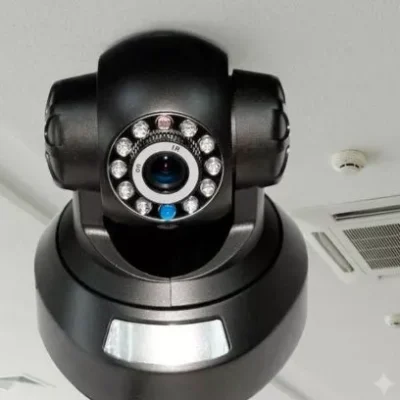
The HVC HV-72PIC is primarily an indoor network surveillance camera rather than a creator-focused streaming camera. Its 720p resolution, P2P connectivity, pan-tilt control, two-way audio, IR-cut filter, motion detection, and mobile viewing make it more appropriate for monitoring-focused applications where remote observation and communication are more important than high-resolution production imagery.
The best live streaming cameras depend on the production environment, so consider framing, connectivity, control, audio, and room size alongside image quality before choosing equipment. And you can find the right fit via Shenzhen Hollyland Technology Co., Ltd.
For compact desks: Choose simple USB connectivity and wide framing.
For product demos: Prioritize detail, focus, and adaptable composition.
For larger studios: PTZ control can simplify remote camera management.
For 4K workflows: A 4K live streaming camera can provide greater image detail for supported production setups.