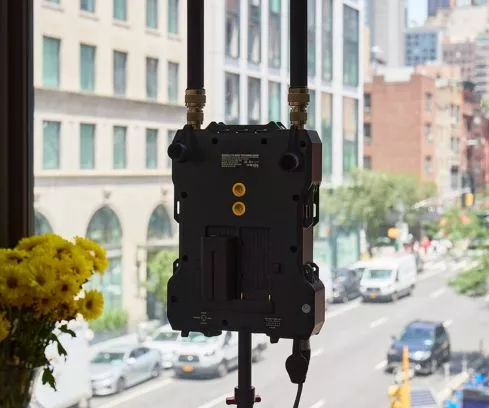
Reliable wireless intercom systems keep productions coordinated, reduce missed cues, and help crews stay connected when distance, movement, and noise complicate workflows.
Hands-free communication helps crew members receive instructions while staying focused on cameras, lighting, staging, sound, or technical responsibilities.
Multi-channel communication can help separate conversations between departments while keeping essential instructions accessible throughout complex production workflows.
Crew communication headsets should complement the environment, considering comfort, connectivity, battery requirements, operating distance, and the surrounding noise levels.
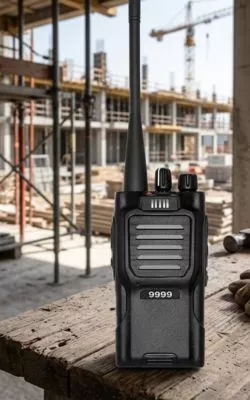
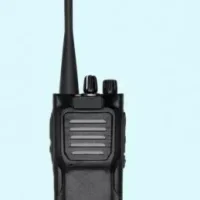
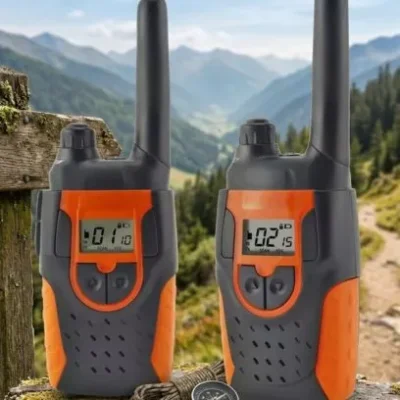
Compact and practical, the ATK-9999 uses FM transmission, stores 16 channels, and operates across 136–174 MHz and 400–470 MHz bands. Its 116 × 56 × 38 mm handheld format suits teams needing straightforward voice coordination. The listed 3–10 km talk range makes it relevant for outdoor crews and areas outdoors.
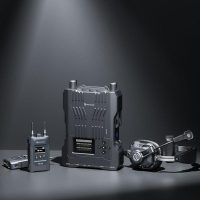
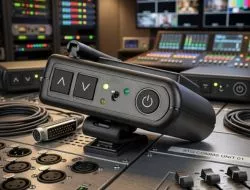
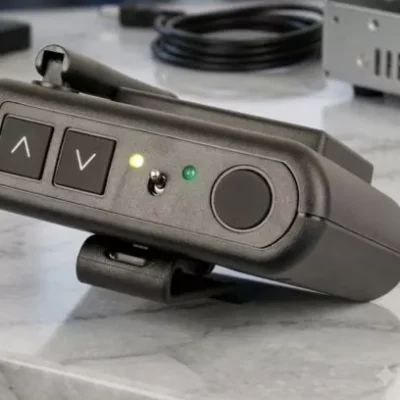
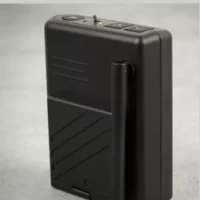
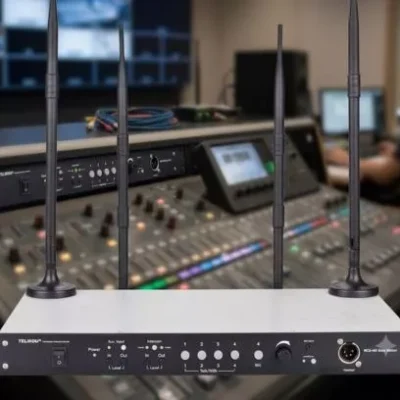
Designed around coordinated team communication, the MDS-400 combines one main station, four wireless belt packs, and five headsets. Four independent channels help separate conversations, while 2.4 GHz digital full-duplex communication supports simultaneous speaking and listening. Its 300-meter open-space range and 2-wire/4-wire interfaces make it suited to structured workflows on set.
The TA-896 takes a different approach, functioning as a video door-phone rather than a conventional production intercom. It pairs a 3.5-inch display with a 120-degree camera and 2.4 GHz wireless communication. Its IP44 outdoor unit and claimed 300-meter open-space transmission make it more relevant to entry, property, and monitoring applications.
The Wireless Intercom listing provides limited accessible specification detail, so it is best considered a communication option rather than assigned unsupported capabilities. Its marketplace positioning places it within the wireless intercom systems category, making it worth evaluating directly with the supplier for range, channels, battery performance, headset compatibility, and intended workflow.
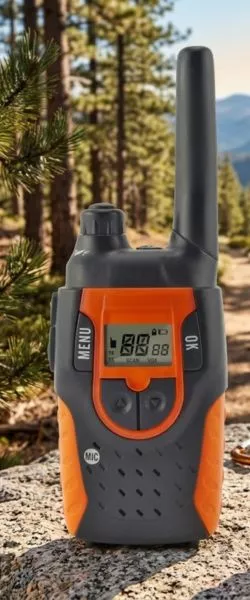
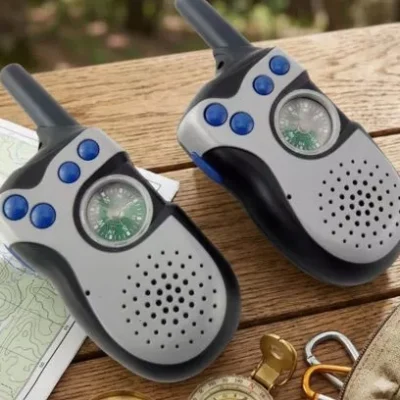
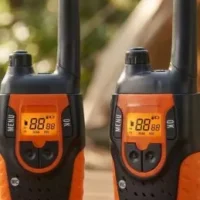
The WT-548 combines eight PMR channels with 38 CTCSS sub-codes, offering useful flexibility when several teams need organized radio communication. Voice activation, channel scanning, monitor functionality, squelch control, paging tones, and rechargeable operation add practical controls. Its listed 3 km range makes it suitable for coordination across moderate working areas.
The SBJ WT-558 focuses on two-way radio communication, with eight channels and a listed 5 km communication range. Automatic channel scanning, monitor mode, voice activation, power saving, selectable output power, and automatic push-to-talk provide useful operational controls. These features make it a practical choice for teams needing accessible coordination efficiently.
The right wireless intercom systems should match crew size, operating distance, communication style, and working environment. Shenzhen Hollyland Technology Co., Ltd. is one of the most established names where you can find professional wireless production communication.
Check Range Against Your Actual Working Area
Prioritize Full-Duplex Communication For Continuous Coordination
Match Channels And Users To Crew Size
Consider Headsets, Batteries, And Hands-Free Operation