A wireless microphone for YouTube should match the camera, smartphone, computer, or other recording device before filming begins to avoid compatibility issues.
For interviews, presentations, and moving subjects, transmission range can determine whether a wireless mic for interviews remains practical throughout the recording.
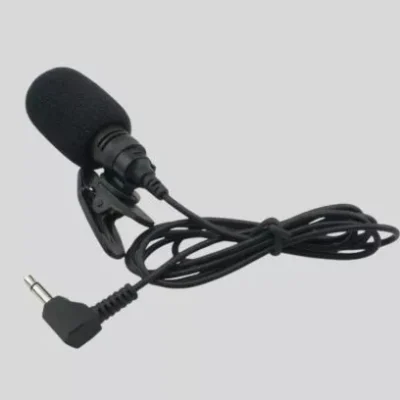
A clip-on microphone for video should also offer suitable pickup, noise handling, and positioning for the environment where recording will actually happen.
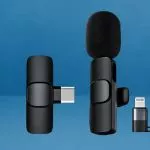
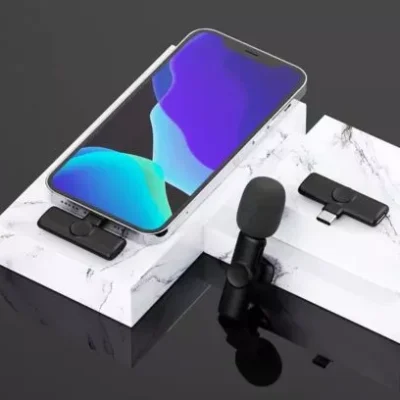
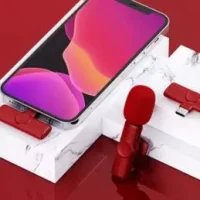
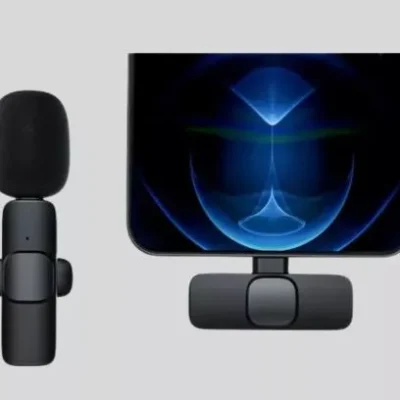
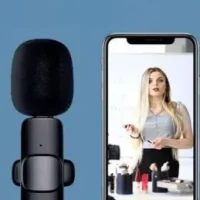
Among the best wireless lavalier microphones, K2 uses 2.4GHz wireless transmission with a stated 20-meter barrier-free range. Its 360-degree omnidirectional pickup, automatic pairing, plug-and-play setup, and noise-reduction sponge suit mobile filming, hosting, recording, and live broadcasts where quick setup and freedom of movement matter.
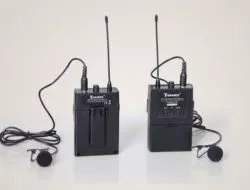
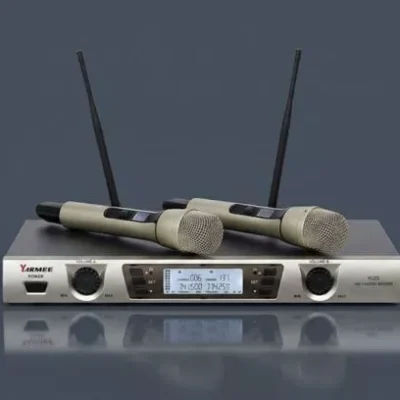
The YARMEE YU23 takes a venue-focused approach, using FM transmission across 610–950MHz with 200 channels and a stated 80Hz–18kHz response. Its lavalier format suits teachers, presenters, conferences, and stage use. For creators, it makes more sense when venue coverage matters more than ultra-compact phone-first recording and mobile convenience.
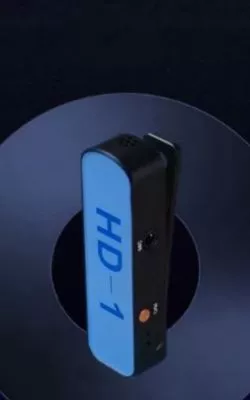
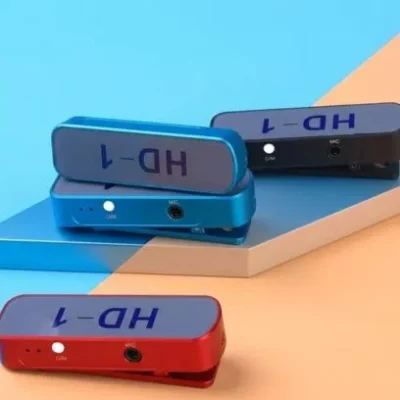
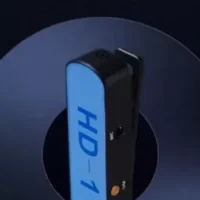
The HD-1 combines a clip-on lavalier format with Bluetooth connectivity and listed noise-cancelling capability for recording and live broadcasting. It can appeal to users wanting hands-free placement for spoken content. Because the listing supports OEM and ODM configurations, connector compatibility, operating range, battery performance, and device support should be confirmed before purchase.
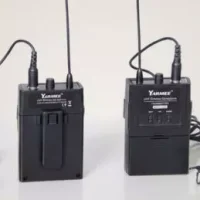
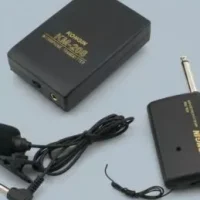
The DL-LINK TS-KM208 uses an FM transmitter-and-receiver design with a stated 20-meter effective distance and a 6.3mm receiver connection. Its clip-on microphone suits teaching, conferences, and monitoring environments. The 80–12,500Hz listed response points toward voice-focused use, while separate transmitter and receiver batteries make setup less phone-centric for everyday recording.
This 2.4GHz mobile microphone is aimed at smartphones and computers, with approximately 10 hours of working time and an 80mAh battery. The listing states over 20 meters of barrier-free transmission, about seven meters through barriers, and 25ms latency. That combination makes it relevant for mobile videos, livestreams, and everyday creator recording.
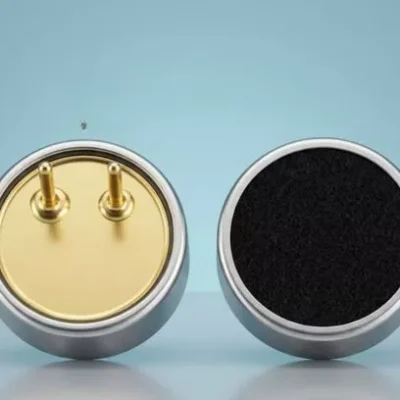
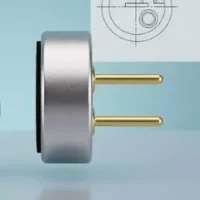
The HSY H6027P001A takes a different route as a miniature hidden microphone measuring 6.0 by 2.7mm. Its listed specifications include a 20Hz–16kHz frequency response, at least 60dB signal-to-noise ratio, and 110dB maximum input SPL. Its component-style format suits specialized integration better than straightforward plug-and-play creator filming setups.
The best wireless lavalier microphones choices depend on device compatibility, transmission needs, microphone placement, background conditions, and the type of content being recorded.
Check Device Compatibility: Confirm connector and receiver compatibility before recording.
Prioritize Recording Distance: Match transmission range to typical filming movement.